Valve Unifies VR, Android, and PC Gaming in a Revolutionary Steam Frame Ecosystem
- Feb 18, 2026
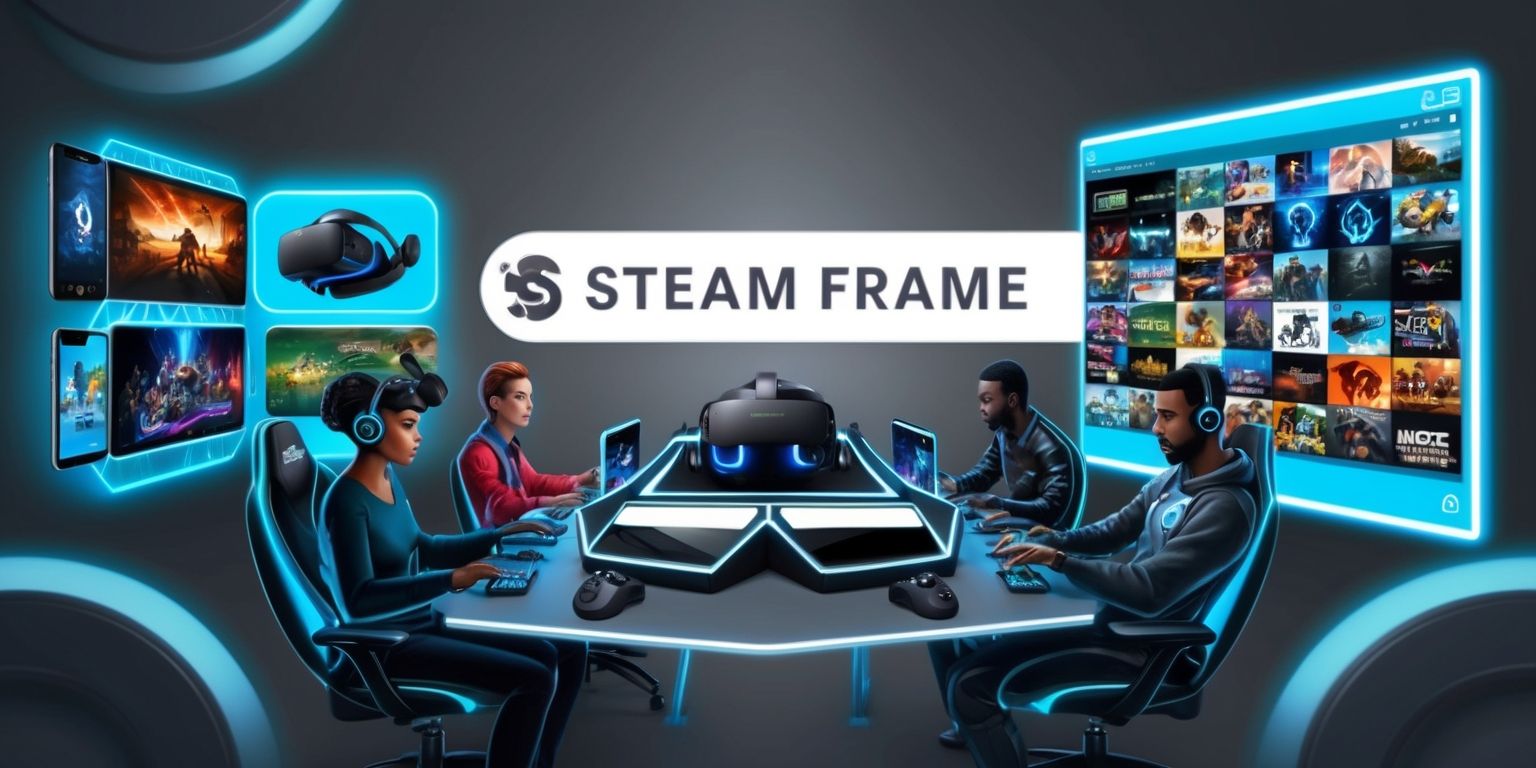
Valve’s recent unveiling of its new gaming innovations has captured the attention of technology enthusiasts and software developers as well. Central to this approach is announcement is the remarkable Steam Frame device, which reimagines immersive gameplay by merging virtual reality and traditional gaming experiences into one streamlined platform. Valve has designed this machine not only to elevate the user experience in VR but also to seamlessly integrate Android applications, thereby broadening the scope of available content on its platform. The development and support provided for Android titles on Steam reflect a thoughtful convergence of mobile technology and established PC gaming, promising to deliver smooth, intuitive interactions for both seasoned gamers and new adopters of virtual environments.
Revolutionizing Device Interactivity
Valve’s innovative approach with Steam Frame is redefining interactivity in the gaming world. This new This apparatus has been engineered to equip users with a fluid transition between playing virtual reality content and enjoying more traditional, non-VR game experiences. At the core of its functionality lies the ability to integrate Android applications directly into the Steam ecosystem. This integration ensures that titles familiar to mobile gamers are easily accessible without compromising on performance. By leveraging a seamless interface, developers find it straightforward to deliver their creative content, while gamers enjoy a consistency that eliminates unnecessary steps. In this way, Valve has strategically positioned Steam Frame as a nexus between platforms, inviting a wider range of gaming content that feels as natural as downloading a favorite title.
Embracing a Versatile Software Landscape
Expanding the software ecosystem, Valve is actively encouraging developers to transition Android APKs to the Steam network. The planned rollout of the Steam Frame developer kit illustrates this commitment by providing essential Advanced resources and detailed guides designed to simplify the workflow. Developers who have honed their skills on mobile VR apps and Android gaming are now given an opportunity to adapt their projects for a broader audience. This move not only multiplies the reach of individual titles but also enriches the gaming library available on the Steam platform. The overarching design of Steam Frame suggests that users hardly need to adjust their expectations—content is presented in a fluid manner, matching the device’s high-performance capabilities with the intuitive familiarity of smartphone applications.
Advanced Chipset and Performance Capabilities
The technological prowess of Steam Frame stems from its integrated Arm-based Qualcomm Snapdragon chip. This advanced processor architecture forms the engine that powers both Android apps and VR experiences on the device. Its capability to run applications directly without the need for extensive re-engineering is a key factor in the device’s appeal. Gamers benefit from a performance that is both responsive and robust, ensuring that even graphics-intensive applications perform seamlessly. Furthermore, the choice of chipset facilitates low latency interactions—a crucial factor in immersive gaming scenarios. This enhancement in performance underscores Valve’s commitment to blending state-of-the-art hardware with flexible software support and enhances the overall promise of an integrated, hassle-free gaming environment.
Empowering the Developer Community
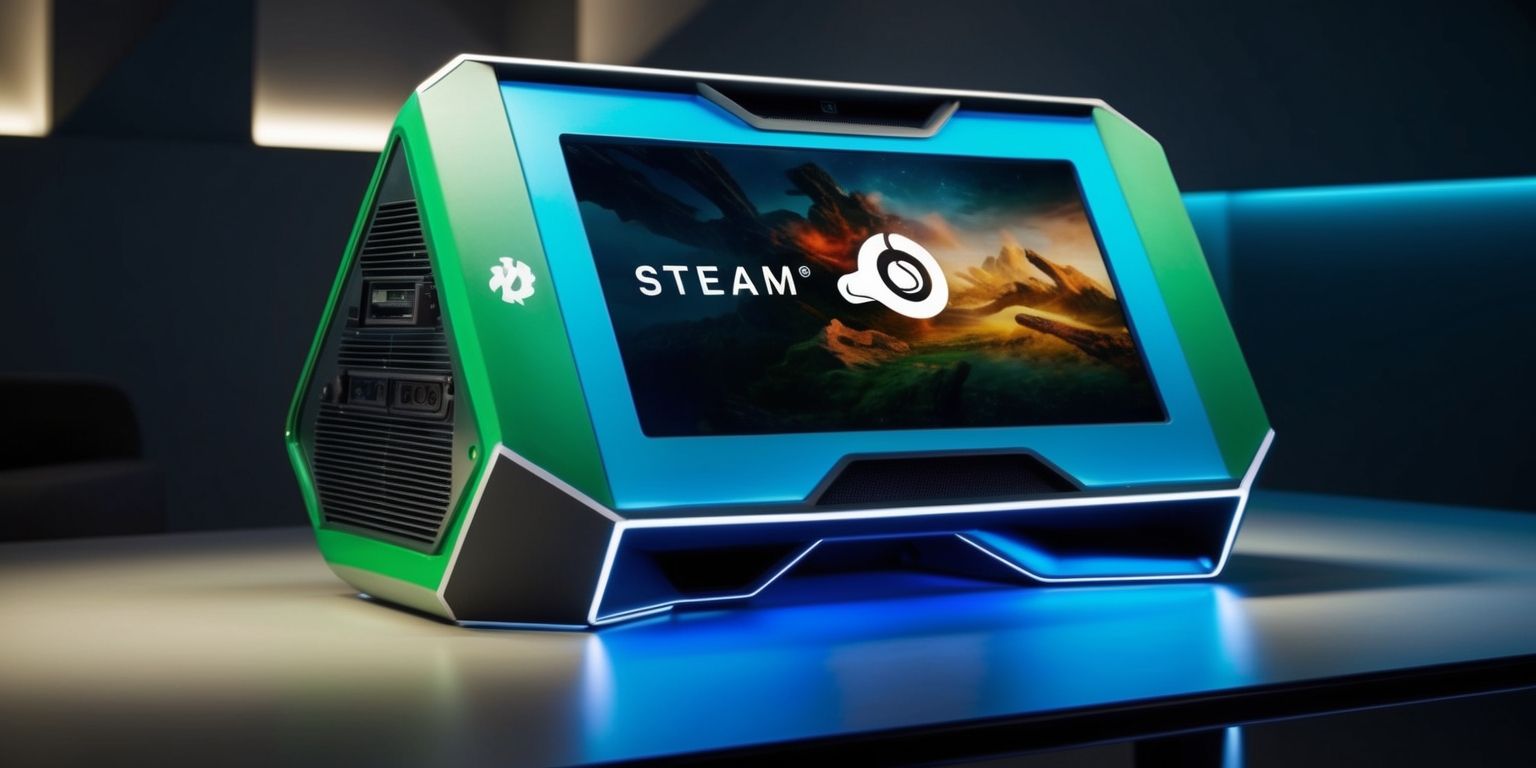
Recognizing the essential contribution of developers in driving growth its platform, Valve has designed Steam Frame as not just a gaming device but also as a strategic tool for the developer community. By releasing a specialized developer kit geared towards Android applications, Valve is enabling developers to translate their mobile creations into a format that is fully compatible with the Steam ecosystem. This democratized process of porting mobile VR content pushes forward innovative game design and encourages creative experimentation. Valve’s engineer, Jeremy Selan, highlighted the ease of use that comes with this integration, suggesting that the user experience remains largely uninterrupted. This initiative fosters a collaborative environment where developers can seamlessly marry their prior expertise with new hardware capabilities, ultimately yielding a richer, more diverse gaming library for all users.
Bridging Mobile and PC Realms
The transition of Android-based applications into the realm of PC gaming is a significant step that expands the boundaries of interactive entertainment. By supporting a direct transfer of mobile VR titles onto Steam Frame’s platform, Valve is effectively bridging traditional computing environments with the ever-popular mobile space. This fusion permits gamers to access familiar gameplay experiences on a device that is optimized for both virtual and conventional gaming sessions. The benefit is clear for users who no longer need to choose between platforms for their favorite games, as the distinction blurs in favor of an all-inclusive solution. Such integration represents a forward-thinking strategy, leveraging the strengths of mobile applications and delivering them in a more expansive, high-fidelity setting that caters to modern gaming demands.
Enhancing Home Entertainment Options
Valve’s introduction of the Steam Machine further expands the company’s commitment to home entertainment evolution. Constructed to deliver PC gaming in a living room setting, the Steam Machine represents a thoughtful blend of traditional computing power with the accessibility of console design. Its competitive pricing strategy reveals that this device is purposefully designed to be an affordable alternative to conventional gaming consoles. Valve’s hardware engineers have designed this system with flexibility in mind—ensuring that users can enjoy high performance alongside the convenience of a living room experience. This practical design approach allows gamers to integrate advanced gaming systems into everyday entertainment setups comfortably, resulting in a new era of interactive media consumption where quality meets ease of use.
Innovations in Controller Design
Parallel to the release of new hardware devices, Valve has also introduced an upgraded Steam Controller. This refinement in controller technology is a testament to Valve’s dedication to enhancing user engagement and interaction. The design of the new controller is informed by intensive research and feedback from the gaming community, seeking to provide ergonomic comfort and reliable performance. By integrating intuitive controls and responsive feedback mechanisms, Valve aims to reduce the learning curve associated with complex VR interactions. The controller is optimized to work seamlessly within Valve’s expanding ecosystem—whether engaging with VR titles, navigating Android-based applications, or enjoying traditional PC games. Such innovations reiterate the company’s focus on building a cohesive and immersive gaming experience with every component.
Architectural Sophistication in Device Engineering
The architectural design of Steam Frame goes beyond mere hardware integration; it exhibits a sophisticated blend of ergonomic considerations and advanced technology. With a keen focus on delivering both VR and non-VR gaming experiences, the device is engineered to accommodate an extensive range of applications. The incorporation of a robust Snapdragon chipset underscores the technical rigor of the product, ensuring that high-performance demands are met without compromise. Additionally, Valve’s attention to the physical design facilitates a comfortable user experience during extended gaming sessions. The device’s interface and operating protocols have been fine-tuned to support rapid transitions between different types of gameplay, reflecting an intricate balance between performance demands and user-centric design. This engineering sophistication positions Steam Frame as a versatile platform that It addresses the broad spectrum of requirements that today's gamers have.
Expanding Ecosystem Connectivity
Valve’s recent product announcements reveal a strategic focus on expanding connectivity within its gaming ecosystem. The capability to stream Android games directly to Steam Frame is more than just a technical achievement—it's a bridge that connects disparate segments of the gaming community. By unifying the convenience of Android mobile applications with the immersive experiences offered by VR and PC gaming, Valve is creating a seamless digital environment. This strategy not only elevates user involvement but also spurs the exploration of new gaming genres. Steam Frame’s interconnected nature supports a dynamic ecosystem where content flows naturally between platforms. As developers leverage the provided tools to innovate further, users can expect an evolving landscape that emphasizes ease-of-use, versatility, and expansive connectivity without compromising the quality or performance of their gaming adventures.
Redefining Interactive Entertainment
Valve is clearly redefining the landscape of interactive entertainment by integrating multifaceted gaming experiences into a singular platform. Steam Frame, with its unique ability to support both VR and conventional games, paves Paving the path toward a gaming landscape that embraces inclusivity. The device encapsulates the convergence of mobile app agility and high-end gaming performance, empowering developers to create and port content with minimal friction. This approach ensures that users are met with An interface that users recognize and find instinctively easy to navigate, irrespective of the… type of game they choose to play. The Our design approach is dedicated to streamlining the user experience while embracing technological advancements. In doing so, Valve is not just releasing a new piece of hardware, but is also setting the stage for the next evolution of interactive entertainment that spans across diverse gaming platforms.